
Introduction :
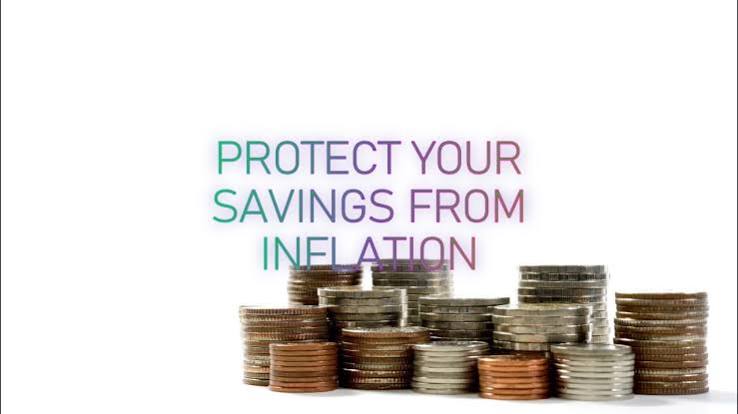
Inflation is one of the most important economic factors affecting your personal finances. While it may not always be noticeable from day to day, inflation gradually reduces the purchasing power of your money over time. In simple terms, inflation means that the prices of goods and services increase, making it more expensive to buy the same items in the future. As prices rise, the value of the money sitting in your savings account may decline if it is not growing at a similar or faster rate.
For example, if you have $10,000 in a savings account earning a low interest rate while inflation continues to rise, your money may lose purchasing power every year. Although the balance in your account remains the same—or grows slightly—the amount of goods and services that money can buy gradually decreases. This is why understanding inflation is essential for anyone trying to build wealth, save for retirement, or achieve long-term financial goals.
Inflation affects nearly every aspect of your financial life, including household expenses, investments, retirement planning, borrowing costs, and savings strategies. The good news is that there are effective ways to reduce inflation’s impact by making informed financial decisions and using investment strategies designed to preserve purchasing power.
This comprehensive guide explains how inflation works, why it matters, how it affects your savings, and the best ways to protect your money over time.
What Is Inflation?
Inflation is the general increase in prices for goods and services across an economy over time.
As inflation rises:
Groceries become more expensive.
Housing costs increase.
Healthcare costs rise.
Transportation becomes more expensive.
Utility bills may increase.
When prices increase, each dollar buys less than it did previously.
Understanding Purchasing Power
Purchasing power refers to the amount of goods and services your money can buy.
For example:
If a gallon of milk costs $3 today and $3.30 next year, your money purchases less milk than before.
Even if your savings account balance remains unchanged, your purchasing power decreases because prices have increased.
This is one of inflation’s biggest long-term effects.
Why Inflation Matters for Savers
Saving money is important, but inflation can reduce the real value of those savings.
Suppose:
Your savings account earns 2% annually.
Inflation averages 4%.
Although your account balance grows slightly, your purchasing power declines because prices increase faster than your savings.
Over many years, this difference can significantly reduce the value of your money.
Common Causes of Inflation
Inflation can occur for several reasons, including:
Increased Consumer Demand
When demand for goods exceeds supply, prices often rise.
Rising Production Costs
Higher wages, fuel prices, and raw material costs can increase production expenses, leading businesses to charge higher prices.
Supply Chain Disruptions
Natural disasters, global events, or transportation delays can reduce product availability and increase prices.
Expansion of the Money Supply
When more money circulates within the economy, purchasing demand may increase, contributing to higher prices.
How Inflation Impacts Everyday Expenses
Inflation affects nearly every household budget category.
Groceries
Food prices often rise during periods of inflation.
Families may spend significantly more on:
Meat
Dairy
Produce
Bread
Household essentials
Housing
Housing expenses may increase through:
Higher rent
Rising home prices
Increased maintenance costs
Property taxes
Transportation
Inflation can increase:
Fuel prices
Vehicle maintenance
Public transportation costs
Auto insurance premiums
Healthcare
Medical expenses often rise over time.
This includes:
Insurance premiums
Prescription medications
Doctor visits
Hospital services
How Inflation Affects Savings Accounts
Traditional savings accounts typically offer relatively modest interest rates.
If inflation exceeds the interest earned, your savings lose purchasing power over time.
This is why many financial experts recommend reviewing your savings strategy periodically rather than relying solely on low-interest accounts for long-term goals.
Inflation and Long-Term Investing
Many long-term investors aim to grow their money at a rate that has historically outpaced inflation.
Common investment options include:
Index funds
Exchange-Traded Funds (ETFs)
Dividend-paying stocks
Mutual funds
Real estate investment trusts (REITs)
Diversification can help balance risk while supporting long-term growth.
Should You Keep Cash During Inflation?
Cash remains important for:
Emergency funds
Short-term expenses
Immediate financial needs
However, holding large amounts of cash for long periods may reduce purchasing power if inflation remains elevated.
Balancing cash reserves with long-term investments can help maintain financial flexibility.
Strategies to Protect Your Savings from Inflation
1. Maintain an Emergency Fund
Keep enough savings to cover several months of essential expenses while avoiding excessive idle cash beyond your emergency needs.
2. Increase Your Savings Rate
As living costs rise, increasing your monthly savings can help offset higher future expenses.
3. Invest for Long-Term Growth
Long-term investments have historically offered greater growth potential than traditional savings accounts, although they involve risk.
Choose investments that match your goals, time horizon, and risk tolerance.
4. Review Your Budget Regularly
Inflation changes spending patterns.
Review your monthly budget to identify:
Rising expenses
Areas to reduce spending
Opportunities to save more
5. Reduce High-Interest Debt
Inflation often coincides with changing interest rates.
Paying off high-interest debt can improve your financial flexibility and reduce borrowing costs.
6. Increase Your Income
Growing your income helps offset higher living costs.
Consider:
Negotiating a salary increase
Freelancing
Starting a side business
Learning valuable new skills
Additional income can strengthen your financial position.
Common Inflation Mistakes
Ignoring Rising Costs
Failing to adjust your budget can lead to overspending.
Keeping Too Much Cash
Holding excessive cash for long periods may reduce purchasing power.
Delaying Investments
Waiting too long to invest can reduce long-term growth opportunities.
Not Reviewing Financial Goals
Inflation may require adjustments to savings targets and retirement plans.
Inflation and Retirement Planning
Inflation is especially important for retirement because retirees often depend on long-term savings.
A retirement plan should consider:
Healthcare inflation
Housing costs
Daily living expenses
Investment growth
Longevity
Preparing for inflation helps maintain your lifestyle throughout retirement.
Tips for Managing Inflation
Spend intentionally.
Track monthly expenses.
Save consistently.
Invest regularly.
Review financial goals annually.
Increase income whenever possible.
Avoid unnecessary debt.
Continue improving financial knowledge.
Small adjustments today can protect your finances tomorrow.
Frequently Asked Questions
Does inflation always reduce savings?
Inflation reduces purchasing power when the growth of your savings does not keep pace with rising prices. Choosing appropriate savings and investment strategies can help lessen its impact.
Is investing better than saving during inflation?
Saving and investing serve different purposes. Savings are generally best for short-term goals and emergencies, while long-term investments may offer greater growth potential, though they also involve risk.
How often should I review my financial plan?
Review your financial plan at least once a year or whenever you experience major life changes or significant economic shifts.
Long-Term Habits That Help Fight Inflation
Developing strong financial habits can help protect your purchasing power over time.
Focus on:
Saving consistently.
Investing for long-term growth.
Increasing your income.
Living below your means.
Avoiding unnecessary debt.
Reviewing your budget regularly.
Continuing financial education.
Staying focused on long-term goals.
Consistency is one of the best defenses against inflation.
Conclusion
Inflation is a natural part of the economy, but understanding its impact can help you make smarter financial decisions. While rising prices reduce the purchasing power of your savings, thoughtful planning can minimize the long-term effects. Building an emergency fund, reviewing your budget, increasing your savings rate, reducing high-interest debt, and investing for long-term growth are all strategies that can help protect your financial future.
Rather than viewing inflation as something to fear, think of it as a reminder to stay proactive with your finances. Regularly reviewing your financial goals, adjusting your spending habits, and keeping your money working efficiently can help you maintain your purchasing power over time.
No matter your age or income level, understanding how inflation affects your savings is an essential part of building lasting financial security. With consistent planning and informed decision-making, you can position yourself to navigate changing economic conditions while continuing to work toward your long-term financial goals.