
Introduction :
Financial success doesn’t happen by accident. It is built through knowledge, discipline, and smart decision-making. One of the best ways to improve your financial literacy is by learning from experts who have spent years studying personal finance, investing, budgeting, wealth creation, and financial psychology. While the internet offers countless articles and videos, books provide in-depth knowledge that can completely transform the way you think about money.
Whether you’re just beginning your financial journey or looking to refine your investment strategy, reading high-quality money management books can help you make better financial decisions. From budgeting and saving to investing and retirement planning, the right books provide timeless lessons that remain valuable regardless of economic conditions.
Many successful investors, entrepreneurs, and financial advisors recommend reading personal finance books regularly because they teach not only practical financial strategies but also the mindset required to build lasting wealth. Understanding how money works, how to manage debt, how to invest wisely, and how to develop healthy financial habits can significantly improve your long-term financial future.
This guide highlights some of the best money management books available today, explains why they’re worth reading, and shows how you can apply their lessons to your own financial life.
Why Read Money Management Books?
Financial education is one of the best investments you can make.
Reading personal finance books helps you:
- Improve budgeting skills
- Understand investing
- Eliminate debt
- Increase savings
- Build wealth
- Develop financial discipline
- Make better long-term decisions
Knowledge compounds just like investments.
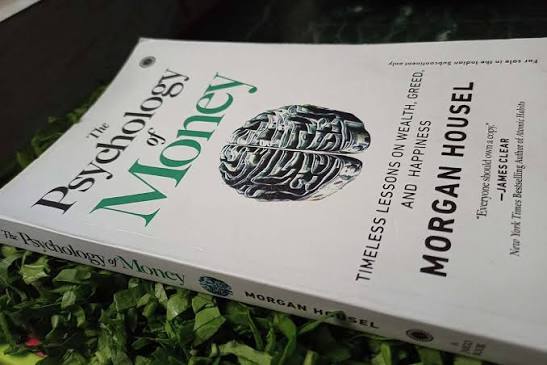
1. The Psychology of Money
One of the most recommended modern finance books, it explores how emotions, behavior, and decision-making influence financial success.
Key lessons include:
- Wealth is built through consistency.
- Financial behavior matters more than intelligence.
- Patience creates long-term success.
- Risk management is essential.
This book is suitable for readers at every experience level.
2. Rich Dad Poor Dad
A classic introduction to financial education.
It emphasizes:
- Building assets
- Financial independence
- Entrepreneurship
- Investing
- Understanding cash flow
Many readers credit this book with changing their perspective on money.
3. The Total Money Makeover
This practical guide focuses on eliminating debt and building financial stability.
Topics include:
- Budgeting
- Emergency funds
- Debt repayment
- Long-term investing
Its step-by-step approach makes it popular among beginners.
4. The Simple Path to Wealth
An excellent resource for understanding long-term investing.
It explains:
- Index fund investing
- Financial independence
- Retirement planning
- Wealth accumulation
The writing style is simple and beginner-friendly.
5. Your Money or Your Life
This book encourages readers to evaluate how money relates to personal values and life goals.
Major themes include:
- Conscious spending
- Financial independence
- Lifestyle choices
- Long-term planning
6. I Will Teach You to Be Rich
Despite its bold title, this book focuses on practical money management.
Topics include:
- Banking
- Budgeting
- Credit cards
- Investing
- Automation
It is especially popular among young professionals.
7. The Millionaire Next Door
Based on years of research, this book reveals that many wealthy individuals live modest lifestyles.
Lessons include:
- Living below your means
- Saving consistently
- Investing patiently
- Avoiding unnecessary luxury spending
8. Think and Grow Rich
Although centered on mindset, this classic remains influential.
It teaches:
- Goal setting
- Persistence
- Positive thinking
- Personal development
Many entrepreneurs consider it essential reading.
9. The Intelligent Investor
Widely regarded as one of the greatest investing books ever written.
Topics include:
- Value investing
- Risk management
- Long-term investing
- Emotional discipline
Ideal for investors seeking deeper financial knowledge.
10. The Richest Man in Babylon
Using simple stories, this timeless book teaches:
- Save at least part of every paycheck.
- Live below your means.
- Invest wisely.
- Protect your wealth.
Its lessons remain relevant today.
11. Books on Budgeting
Budgeting books teach readers how to:
- Track expenses
- Reduce spending
- Increase savings
- Plan financial goals
Budgeting is often the first step toward financial success.
12. Books About Investing
Investment books help readers understand:
- Stocks
- Bonds
- ETFs
- Mutual funds
- Diversification
- Compound growth
Investing knowledge is essential for long-term wealth building.
13. Books on Debt Elimination
Debt-focused books provide strategies for:
- Paying off credit cards
- Reducing loan balances
- Improving cash flow
- Avoiding future debt
Financial freedom often begins with reducing unnecessary debt.
14. Books About Financial Independence
These books explain how disciplined saving and investing can help individuals achieve financial freedom earlier than traditional retirement.
Common topics include:
- Passive income
- Early retirement
- Investing
- Spending intentionally
15. Books on Financial Psychology
Money decisions are often emotional rather than mathematical.
Books on financial psychology teach:
- Better decision-making
- Delayed gratification
- Risk tolerance
- Long-term thinking
Understanding behavior can improve financial outcomes.
How to Get the Most from Financial Books
Reading alone isn’t enough.
For each book:
- Take notes.
- Highlight important ideas.
- Apply one lesson immediately.
- Review your notes regularly.
- Share ideas with others.
Practical application creates lasting improvement.
Building a Personal Finance Reading Plan
Instead of reading randomly, consider this order:
Beginner Level
- Budgeting
- Saving
- Debt management
Intermediate Level
- Investing
- Retirement planning
- Tax strategies
Advanced Level
- Real estate
- Business finance
- Estate planning
- Advanced investing
This progression builds knowledge gradually.
Common Mistakes Readers Make
Reading Without Taking Action
Knowledge only becomes valuable when applied.
Trying Every Strategy
Not every financial method fits every situation.
Choose approaches that align with your goals.
Ignoring Budgeting
Even great investment strategies struggle without good spending habits.
Expecting Instant Wealth
Books provide principles, not overnight success.
Wealth is usually built through consistent effort over many years.
Tips for Improving Financial Literacy
Continue learning through:
- Books
- Podcasts
- Financial news
- Educational courses
- Investment research
- Budgeting tools
Lifelong learning supports better financial decisions.
Frequently Asked Questions
Which money management book is best for beginners?
Books that focus on budgeting, saving, debt management, and basic investing are generally the best starting point for beginners.
How many finance books should I read each year?
The number depends on your goals and schedule. Reading even a few high-quality books annually can significantly improve your financial knowledge over time.
Can reading finance books really improve my finances?
Yes. While books alone won’t make you wealthy, applying the lessons they teach can help you develop better money habits, improve decision-making, and build long-term financial success.
Long-Term Money Habits Inspired by Great Books
Successful financial books often share similar principles:
- Spend less than you earn.
- Save consistently.
- Invest regularly.
- Avoid unnecessary debt.
- Think long term.
- Continue learning.
- Build multiple income streams.
- Stay disciplined during market fluctuations.
These habits have helped countless people improve their financial lives.
Conclusion
Reading the best money management books is one of the smartest investments you can make in your financial future. While each book offers a unique perspective, they all emphasize timeless principles such as disciplined saving, thoughtful budgeting, consistent investing, and long-term planning. Whether you’re working to eliminate debt, grow your investment portfolio, or achieve financial independence, the right books can provide the knowledge and confidence needed to make informed financial decisions.
Remember that financial success isn’t determined by how many books you read—it’s determined by how consistently you apply what you learn. Start with one book that matches your current financial goals, implement its key lessons, and continue expanding your financial education over time.
With patience, discipline, and a commitment to lifelong learning, the knowledge gained from these books can help you build lasting wealth, reduce financial stress, and create a more secure future for yourself and your family.